
How to Choose Your Perfect Wedding Venue: An Expert Guide to Finding a Setting That Reflects Your Vision

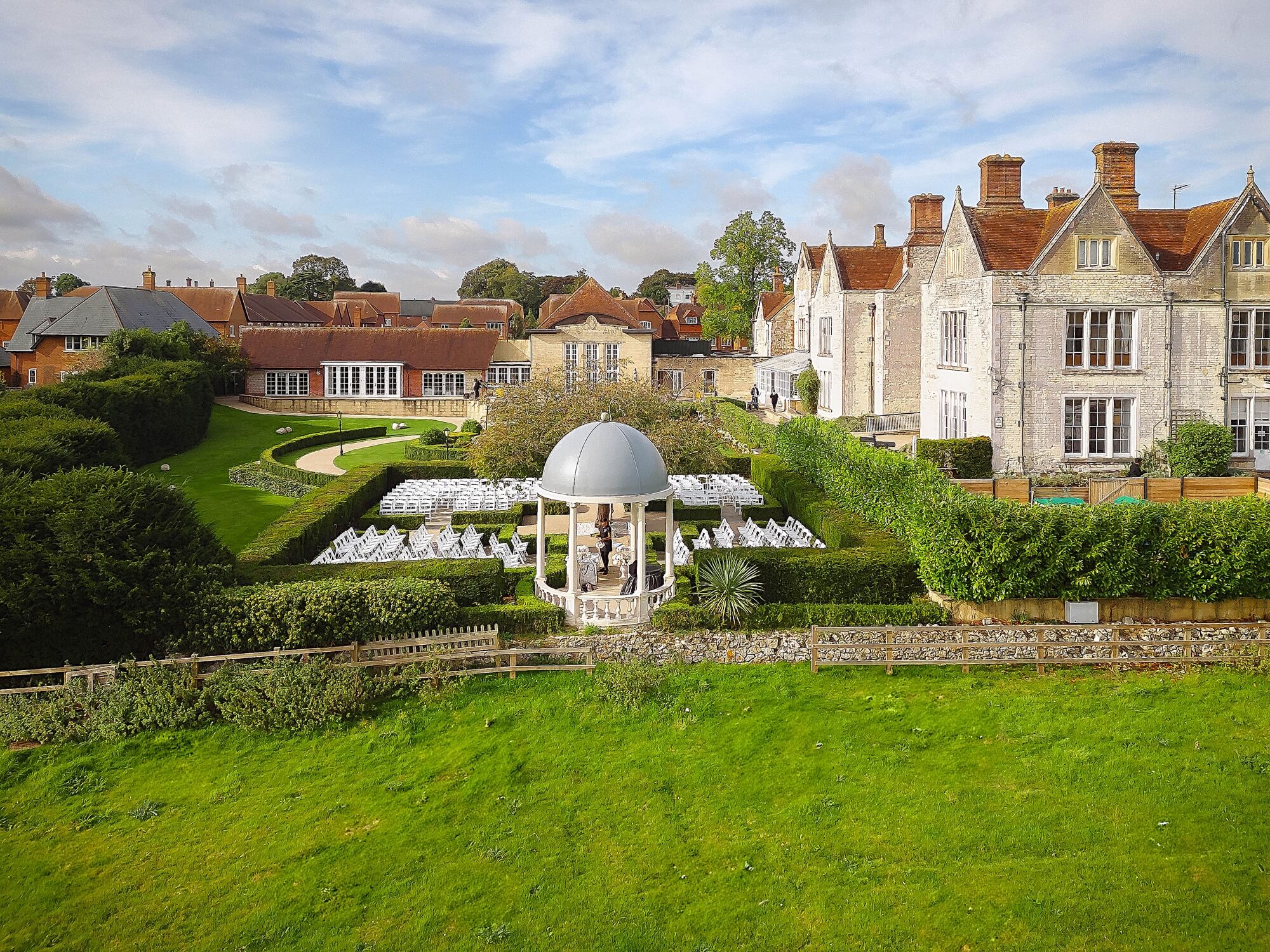
Choosing your wedding venue is about far more than finding a beautiful setting. It is about discovering a place that captures your personality, complements your vision and provides the perfect backdrop for an unforgettable celebration.
Few decisions will influence your wedding quite as much as your choice of venue. From the atmosphere and aesthetic to the guest experience, catering, entertainment and overall flow of the day, your wedding venue will shape almost every aspect of your celebration.
Whether you envisage an elegant country house wedding in Essex, a sophisticated London wedding venue, an exclusive-use manor house, a contemporary city setting or an intimate destination wedding overseas, finding the right location requires careful consideration.
With so many beautiful wedding venues across Essex, London and the UK, knowing where to begin can feel overwhelming.
At Memories4u Weddings & Events, we believe the most exceptional weddings begin with a clear vision and thoughtful planning. Drawing on our experience in luxury wedding planning and event production, we have put together our essential guide to choosing a wedding venue that is as distinctive as the celebration you wish to create.
1. Begin With Your Vision – Before You Begin Your Venue Search
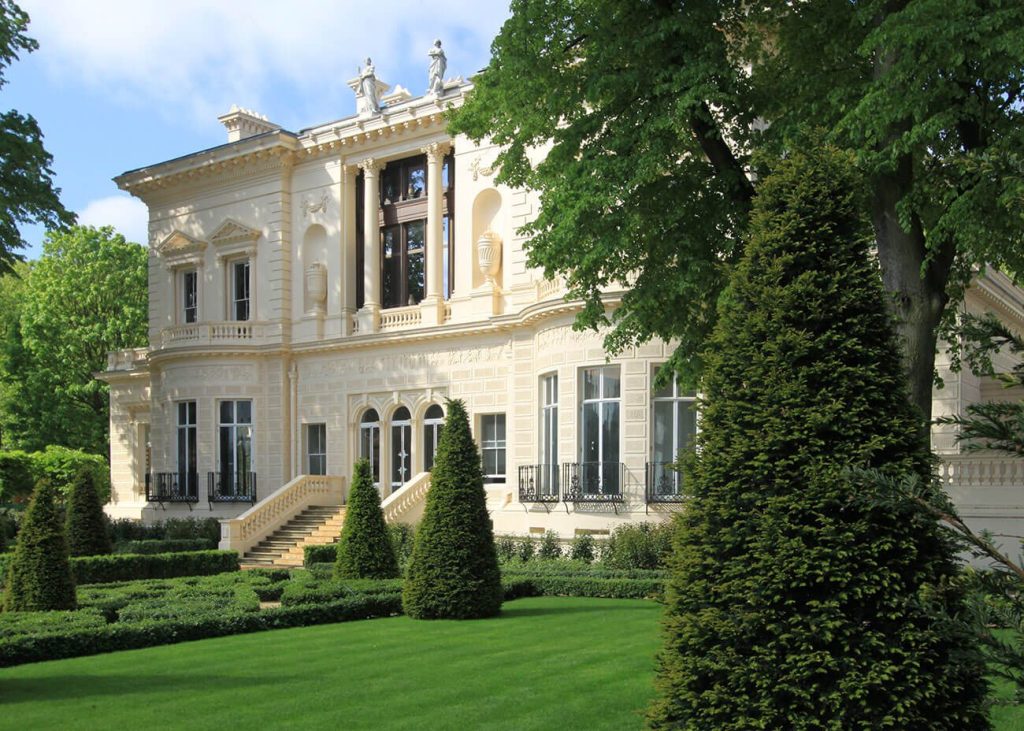
Before arranging viewings or requesting wedding venue brochures, take time to establish what you want your wedding to look and feel like.
Are you imagining a romantic country house wedding surrounded by landscaped gardens? Perhaps an elegant celebration in a historic manor house, a contemporary London wedding with architectural appeal, or a spectacular multi-day multicultural wedding that brings together different traditions and generations.
Consider whether you would prefer a traditional church ceremony followed by a reception elsewhere, or the convenience of hosting both your wedding ceremony and reception at the same venue.
If you are considering a civil ceremony, establish whether the venue holds the appropriate licence for civil weddings. If a religious ceremony matters to you, consider nearby churches or places of worship and the logistics of transporting guests between venues.
Your venue should complement your vision rather than dictate it. The architecture, interiors, grounds and surrounding landscape should provide a natural foundation for your chosen aesthetic.
Our advice: Establish your overall wedding vision before falling in love with a particular venue. This will help you make more considered decisions and avoid choosing a setting that doesn’t ultimately support the celebration you want.
2. Choose a Venue That Reflects Your Personalities
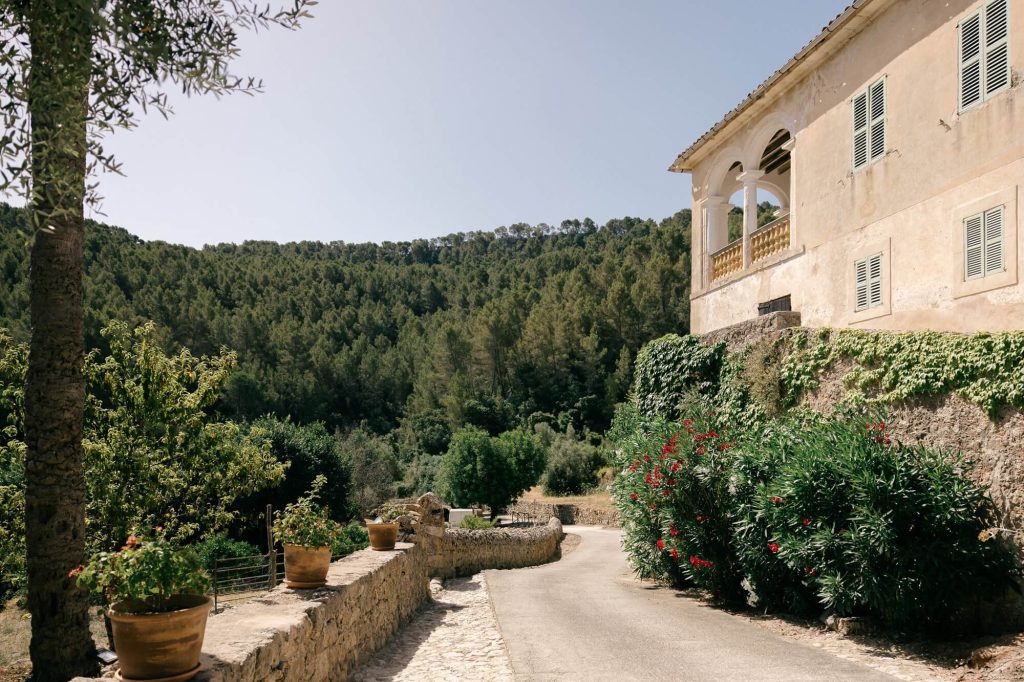
Your wedding should feel like an authentic expression of who you are as a couple.
While beautiful photographs may initially attract you to a venue, consider whether its character, atmosphere and possibilities genuinely reflect your tastes.
Some couples are drawn to the grandeur of historic estates and country houses, while others prefer contemporary architecture, intimate boutique hotels, elegant private residences or distinctive outdoor settings.
Think beyond the obvious choices. A beautiful garden, a private estate, a waterside property or a thoughtfully transformed marquee setting may offer opportunities to create something truly individual.
Consider the possibilities for personalisation, too. Can the venue accommodate your preferred colour palette, floral installations, bespoke furniture, statement lighting and creative production?
For couples planning multicultural weddings, it is particularly important to consider how the venue will accommodate the different elements of the celebration. A traditional ceremony, cultural performances, a change of outfit, a grand entrance or an elaborate reception may all require thoughtful consideration of the available spaces. The right venue should offer more than an attractive backdrop. It should provide the flexibility to bring your ideas to life.
3. Establish Your Wedding Budget from the Outset

A beautiful wedding venue is an important investment, but it should be considered within the context of your overall wedding budget.
Before committing to a venue, agree on the amount you are comfortable allocating to the location, including any additional costs that may not be immediately apparent.
When comparing wedding venue prices, look beyond the initial hire fee. Ask what is included and what will need to be sourced separately.
Additional costs may include:
- Catering, drinks and bar services.
- Furniture, tables, chairs and linen.
- Wedding ceremony room hire.
- Staffing and service charges.
- Security and cleaning.
- Accommodation and bridal preparation suites.
- Marquee hire and additional structures.
- Lighting, sound and production requirements.
- Supplier access, set-up and breakdown fees.
- VAT and any applicable venue charges.
A venue with a seemingly attractive hire fee may ultimately require a considerably larger investment once everything has been accounted for.
Equally, a more comprehensive venue package may offer better overall value.
Our advice: Consider your wedding venue as part of the bigger financial picture. A carefully managed budget allows you to prioritise the elements that will have the greatest impact on your celebration without compromising the overall experience.
4. Consider Your Guest List and Venue Capacity
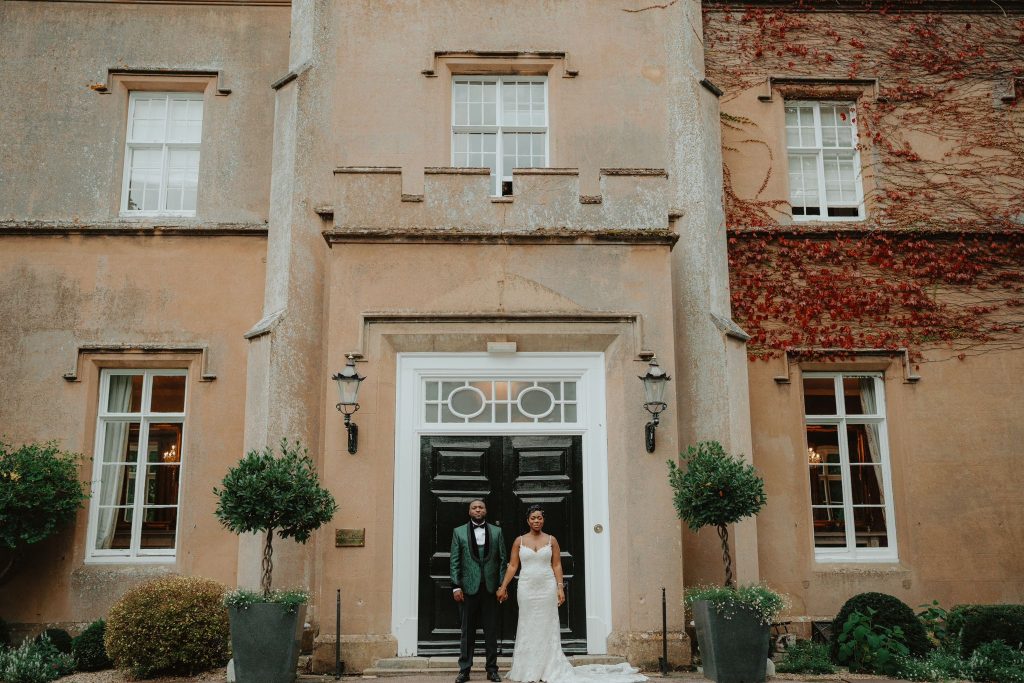
The number of guests you intend to invite will have a significant influence on your venue search.
An intimate wedding of 30 guests requires a very different setting from a grand celebration accommodating 250 or 300 guests.
Think about how you want your guests to experience the space. A venue that is too large for an intimate gathering may feel impersonal, while a smaller setting may restrict the possibilities for a larger celebration.
Importantly, do not simply rely on the venue’s advertised maximum capacity.
Ask whether the stated capacity applies to a seated wedding breakfast, an evening reception or a standing celebration. Check whether the ceremony and dining spaces can accommodate your expected numbers comfortably.
If you are planning a wedding with several different elements, consider whether there is sufficient space for:
- Your ceremony and drinks reception.
- A formal wedding breakfast.
- Entertainment and dancing.
- A separate lounge or relaxation area.
- Children’s entertainment, if required.
- Cultural performances and special presentations.
- Additional staging, production or entertainment installations.
The way a venue accommodates your guests throughout the day is just as important as its overall capacity.
5. Think Carefully About Location and Accessibility
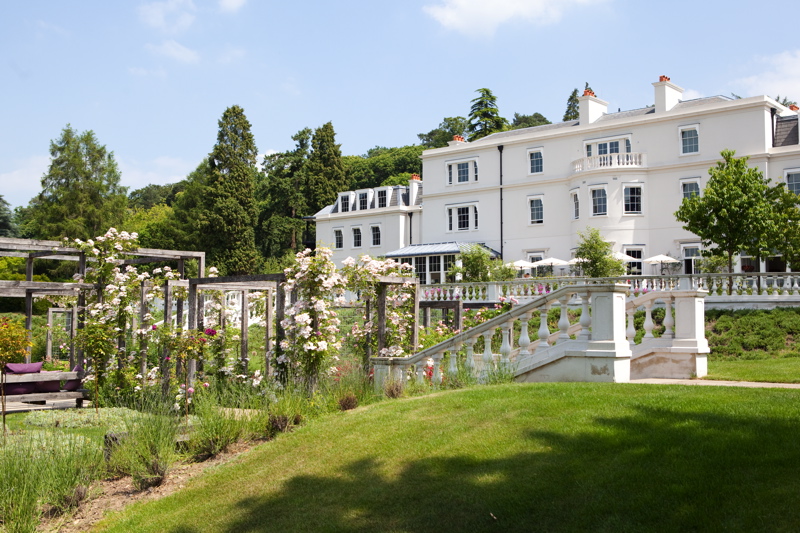
Location is one of the most important considerations when choosing a wedding venue.
Whether you are searching for luxury wedding venues in Essex, an elegant London wedding venue or a countryside estate elsewhere in the UK, think about how easily your guests will be able to reach the location.
Consider where most of your guests will be travelling from and whether the venue is conveniently positioned in relation to major roads, railway stations and airports.
For weddings involving guests travelling from overseas, proximity to international airports and suitable accommodation may be particularly important.
Also consider the needs of elderly guests, families with young children and anyone who may require additional accessibility arrangements.
Questions worth asking include:
- Is there sufficient on-site parking?
- Is the venue easily accessible by public transport?
- Are there nearby hotels or accommodation options?
- Is step-free access available?
- Are accessible toilets provided?
- Is there sufficient space for guest drop-offs and transfers?
- Are there suitable facilities for guests who may need additional assistance?
For destination weddings, consider the wider travel experience, including airport transfers, accommodation, local attractions and the practicalities of bringing guests together across several days.
A beautiful location should also be a comfortable and convenient one for the people sharing your celebration.
6. Look Beyond the Main Reception Room
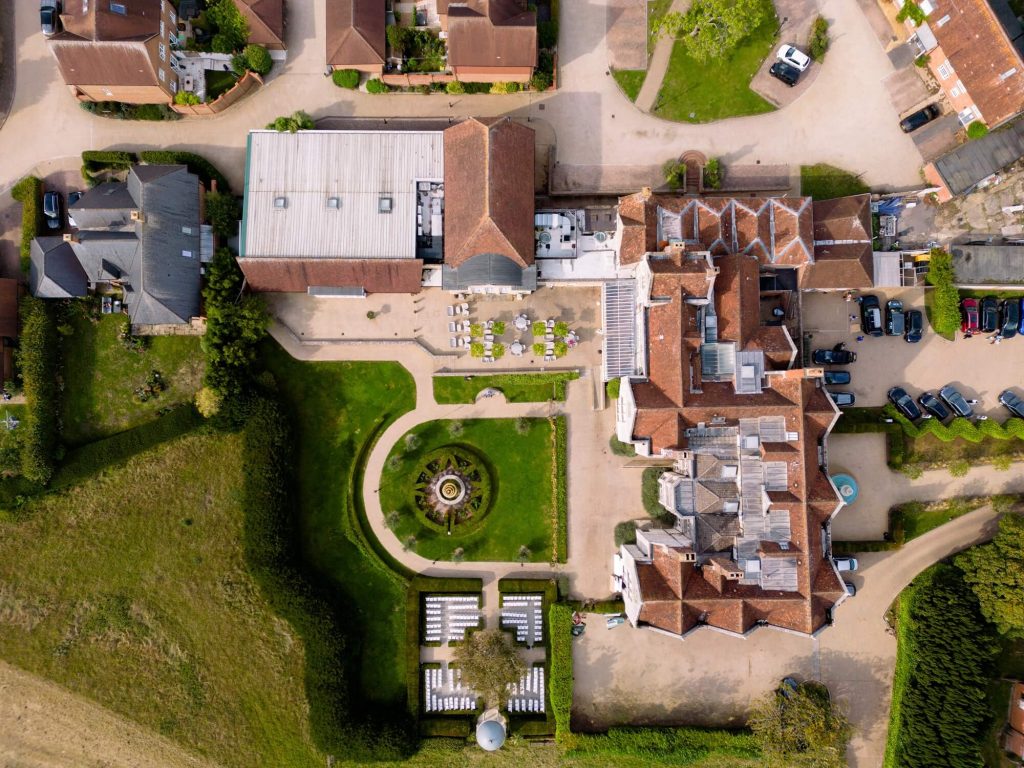
One of the most important aspects of a venue viewing is understanding the full potential of the property.
A magnificent reception room may initially capture your attention, but the surrounding spaces can be equally important in determining the overall experience.
If you are considering exclusive-use wedding venues, find out exactly which areas of the property will be available to you and your guests.
Explore the grounds, gardens, terraces, ceremony spaces, preparation rooms and accommodation facilities.
For country house and manor house weddings, landscaped gardens and architectural features may provide beautiful settings for outdoor ceremonies, drinks receptions and wedding photography.
If you are considering a marquee wedding at a private residence or country estate, assess the available grounds, access routes, power supply, catering facilities and space for additional structures.
Also ask about contingency arrangements. British weather is famously unpredictable, so an outdoor ceremony or reception should always have a suitable alternative should conditions change.
The most versatile venues offer opportunities to create different experiences throughout the day, allowing each part of your celebration to feel distinctive while maintaining a natural flow.
7. Understand What Is Included and Which Suppliers You Can Choose
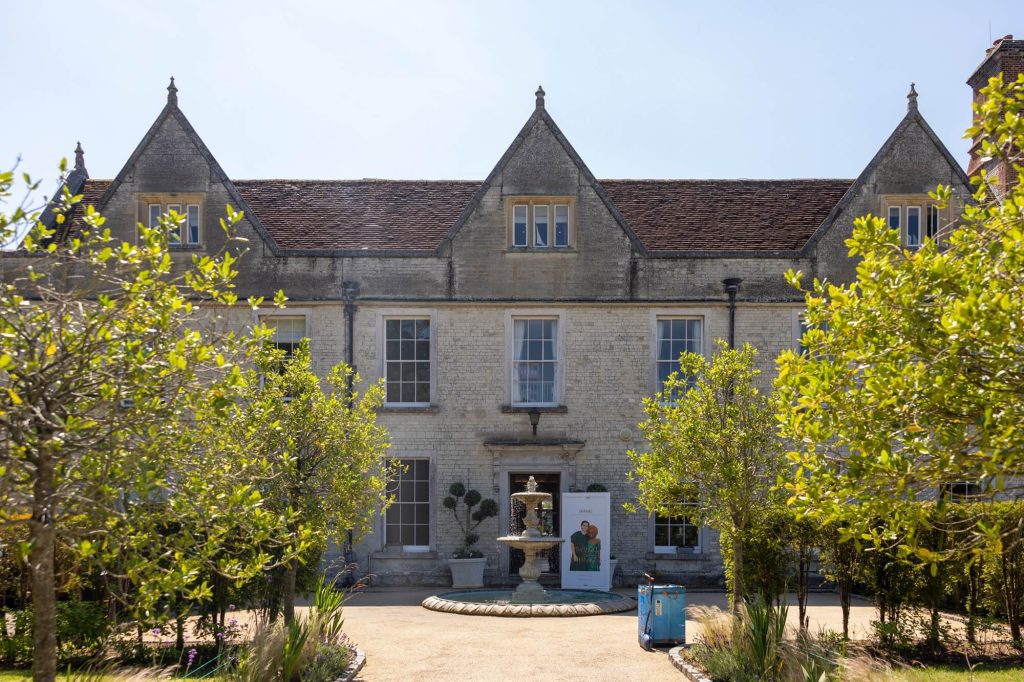
Before signing a venue agreement, make sure you fully understand what the venue provides and where you have the freedom to make your own arrangements.
Some wedding venues operate an exclusive or preferred supplier arrangement, while others allow couples to bring in their own caterers, florists, stylists and production teams.
Neither approach is necessarily better. What matters is whether the arrangement supports your requirements.
If having a particular caterer, specialist Nigerian cuisine, a bespoke floral installation or a specific entertainment provider is important to you, establish whether the venue can accommodate your choices.
Ask about:
- In-house and external catering arrangements.
- Preferred supplier lists and restrictions.
- Corkage and external bar arrangements.
- Furniture and styling options.
- Sound restrictions and entertainment curfews.
- Floral installations, candles and special effects.
- Supplier set-up and breakdown access.
- Additional venue hire requirements.
For couples planning multicultural weddings, catering flexibility and the ability to accommodate different cultural traditions can be particularly significant.
A venue should work in partnership with your wedding planning team and suppliers, allowing the creative vision to be realised without unnecessary restrictions.
8. Prioritise Your Guests’ Experience
A truly exceptional wedding is remembered not simply for how beautiful it looked, but for how it made people feel.
When choosing your venue, put yourself in your guests’ position and consider their experience from arrival to departure.
Will they be welcomed comfortably? Is there somewhere to relax during the drinks reception? Can they move easily between the ceremony, dining and entertainment spaces?
Think about the practical details that contribute to an enjoyable celebration, including seating, temperature, toilet facilities, accessibility, accommodation and transport.
For larger weddings, consider the movement of guests between different areas and whether there is sufficient space to avoid congestion.
For multi-day weddings, the venue’s surrounding facilities and accommodation options may also influence the overall experience.
If you are planning an elaborate celebration, particularly one involving different cultural traditions, multiple outfit changes or entertainment throughout the day, the venue must be able to support the programme without making the experience feel rushed or disjointed.
At Memories4u Weddings, we believe that exceptional wedding planning considers every guest touchpoint. The smallest details can make a significant difference to how a celebration is experienced.
9. Pay Attention to Lighting, Interiors and Design Potential
Lighting is one of the most transformative elements of wedding design, yet it is often overlooked when couples are choosing their venue.
Natural light, architectural features, ceiling heights, wall finishes and existing interior design will all influence how your wedding photographs and how the finished space feels.
During your viewing, consider the atmosphere of the venue at different times of day.
Does the reception room have beautiful natural light? Are there architectural features that could be highlighted? Will the space accommodate statement floral arrangements, chandeliers, suspended installations or bespoke lighting?
Think about how the atmosphere could evolve throughout the celebration.
Soft, ambient lighting may create an intimate atmosphere during dinner, while carefully designed feature lighting can transform the room for the evening reception.
Also consider the venue’s existing décor. Does it complement your chosen aesthetic, or will extensive styling be required to achieve the desired look?
The best wedding venues provide a beautiful foundation for your design ideas while allowing your personality to remain at the centre of the celebration.
10. Research the Venue’s Reputation and Management Team
A beautiful venue is only one part of a successful wedding.
The professionalism, experience and communication of the venue management team can have a considerable influence on your planning experience and the smooth delivery of your wedding day.
Take time to read reviews, look at previous weddings hosted at the property and, where possible, speak to couples who have celebrated there.
Consider the venue’s reputation for service, responsiveness, flexibility and attention to detail.
During your discussions, ask who will be your main point of contact, whether an experienced venue coordinator will be present on the day and what responsibilities their team will undertake.
It is also important to understand the distinction between a venue coordinator and an independent wedding planner. Their responsibilities are not necessarily the same.
A venue coordinator will generally focus on the venue’s facilities, staff and operational requirements. An independent wedding planner oversees the wider wedding, coordinating suppliers, timelines, creative direction, logistics and the overall experience on behalf of the couple.
Understanding these roles from the outset helps ensure that nothing is overlooked.
11. Visit Your Shortlisted Venues More Than Once
Photographs and virtual tours are useful starting points, but nothing quite compares to experiencing a venue in person.
We recommend visiting your shortlisted properties before making a final decision.
If possible, arrange a second viewing once you have had time to consider the practicalities and discuss the possibilities with your partner or wedding planner.
During your visits, take photographs, make notes and ask detailed questions. Request a floor plan and consider how the different spaces could be used throughout your celebration.
It can also be helpful to visit during the season in which you intend to marry. Gardens, outdoor spaces and natural surroundings can look very different throughout the year.
Do not feel pressured into making an immediate decision. Your wedding venue is a significant commitment, and it is worth taking the time to ensure that it is the right choice.
Before paying a deposit, carefully review the venue contract, payment schedule, cancellation terms, insurance requirements and any restrictions that may affect your plans.
12. Trust Your Instincts – But Let Experience Guide Your Decision
There is often a moment during a venue viewing when you begin to imagine your wedding taking place there.
You can picture your ceremony, the arrival of your guests, the beautiful table arrangements and the atmosphere as the evening unfolds.
That emotional connection is important. After all, your wedding venue should be somewhere you genuinely love.
However, allow that excitement to sit alongside practical considerations.
A venue may be visually stunning but unsuitable for your guest numbers, budget or chosen style of celebration. Equally, a property that initially seems understated may offer extraordinary possibilities when viewed through the right creative lens.
The ideal venue is one that brings together atmosphere, practicality, flexibility and the potential to create an exceptional experience.
Ultimately, the right decision should feel as good on paper as it does when you walk through the door.
Why Consider a Wedding Planner Before Booking Your Venue?
Choosing a wedding venue is one of the earliest and most influential decisions in the planning process. It affects your budget, design direction, supplier choices, logistics and the overall experience you can create.
Engaging a professional wedding planner before committing to a venue can help you make a more informed decision.
At Memories4u Weddings & Events, we work closely with couples to understand their aspirations, priorities and expectations before identifying venues that align with their vision.
Our approach goes beyond recommending beautiful locations. We consider the suitability of each property, its practical capabilities, the possibilities for creative design, supplier flexibility, guest experience and the logistics involved in delivering the celebration.
Whether you are considering a luxury country house wedding in Essex, a sophisticated London celebration, an exclusive-use estate or a destination wedding abroad, having experienced guidance at this stage can save considerable time, prevent costly oversights and help establish a strong foundation for the planning journey ahead.
The right venue does not simply provide a setting for your wedding. It creates the foundation for the experience you and your guests will remember.
Frequently Asked Questions
1. When should you book your wedding venue?
Ideally, begin researching venues 18–24 months before your intended wedding date, particularly if you are considering popular luxury wedding venues or exclusive-use country estates. Some dates may be available at shorter notice, depending on the venue and season.
2. What should you consider when choosing a wedding venue?
Consider your wedding budget, guest numbers, location, venue capacity, accommodation, catering arrangements, accessibility, supplier restrictions and the overall atmosphere you want to create.
3. Is it worth hiring a wedding planner before booking a venue?
Yes. An experienced wedding planner can help you assess potential venues against your vision, budget and practical requirements, helping you make a more informed decision before committing financially.
4. What is an exclusive-use wedding venue?
An exclusive-use wedding venue is a property hired for the private use of the couple and their guests for an agreed period. This can provide greater privacy, flexibility and control over the wedding experience.
5. Can a wedding planner help find a wedding venue?
Yes. A professional wedding planner can research and shortlist suitable venues, arrange viewings, assess suitability, negotiate planning considerations and help coordinate the venue selection process.
Let Memories4u Help You Find the Perfect Setting
At Memories4u Weddings & Events, we understand that no two couples, stories or celebrations are ever the same.
Founded in 2007, we bring together creative vision, considered planning and meticulous event production to deliver weddings that are personal, distinctive and beautifully realised.
From intimate celebrations to spectacular multi-day multicultural weddings, we guide our couples through every stage of the journey, including venue research and selection, creative direction, supplier curation, guest experience and wedding-day management.
Whether you have already secured your venue or are at the very beginning of your search, we would be delighted to help you explore the possibilities.
Beautifully conceived. Impeccably executed. Unforgettable by design.
Discover our wedding planning services
Arrange a consultation with Memories4u